 EN
EN
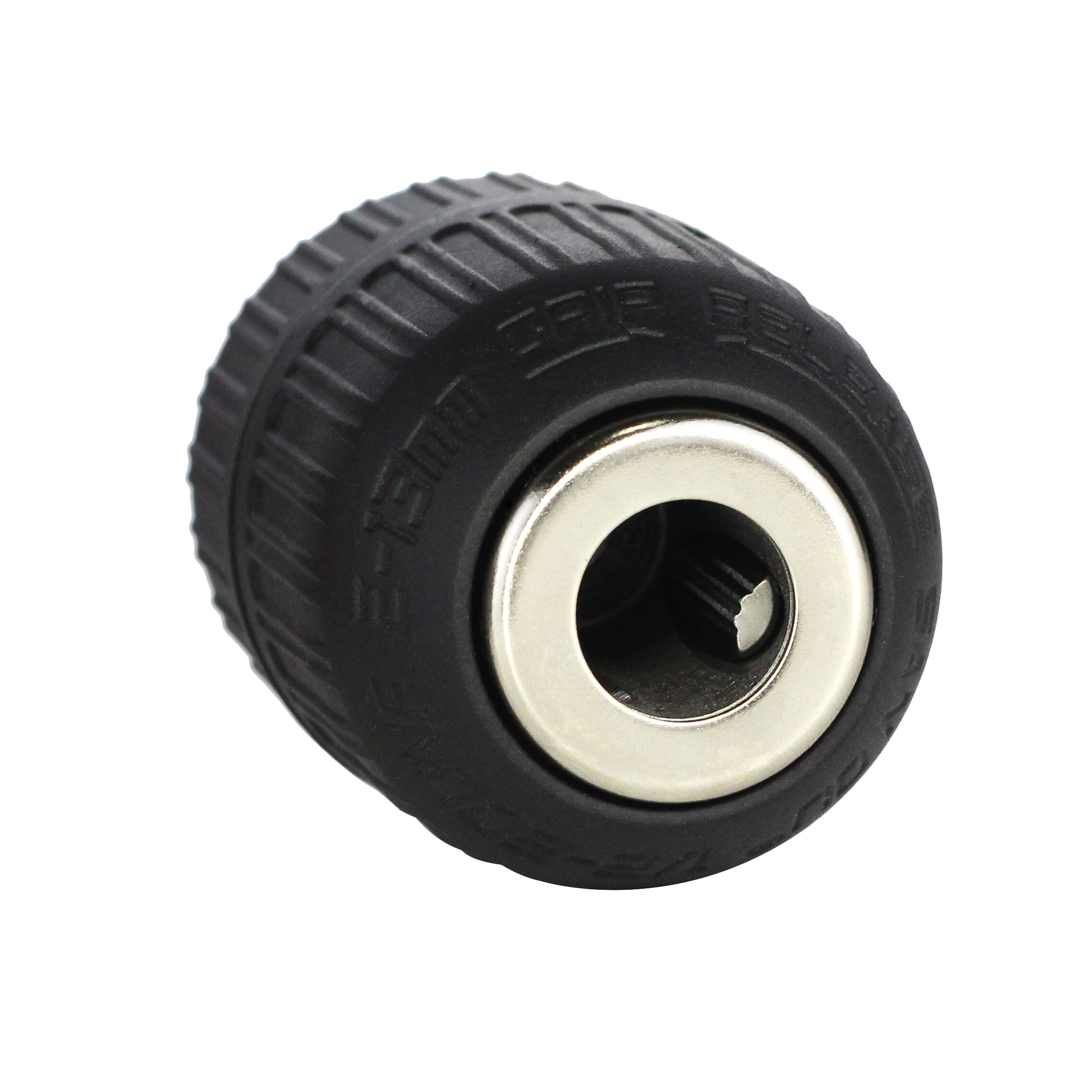
When selecting the right drill chuck for your workshop or professional applications, understanding the fundamental differences between keyless and keyed options becomes crucial for optimal performance. A drill chuck serves as the essential component that secures drill bits and cutting tools to your drilling equipment, making this choice directly impact your work efficiency and precision. The debate between keyless and keyed drill chucks has persisted among professionals and DIY enthusiasts alike, with each type offering distinct advantages depending on specific applications and user preferences.
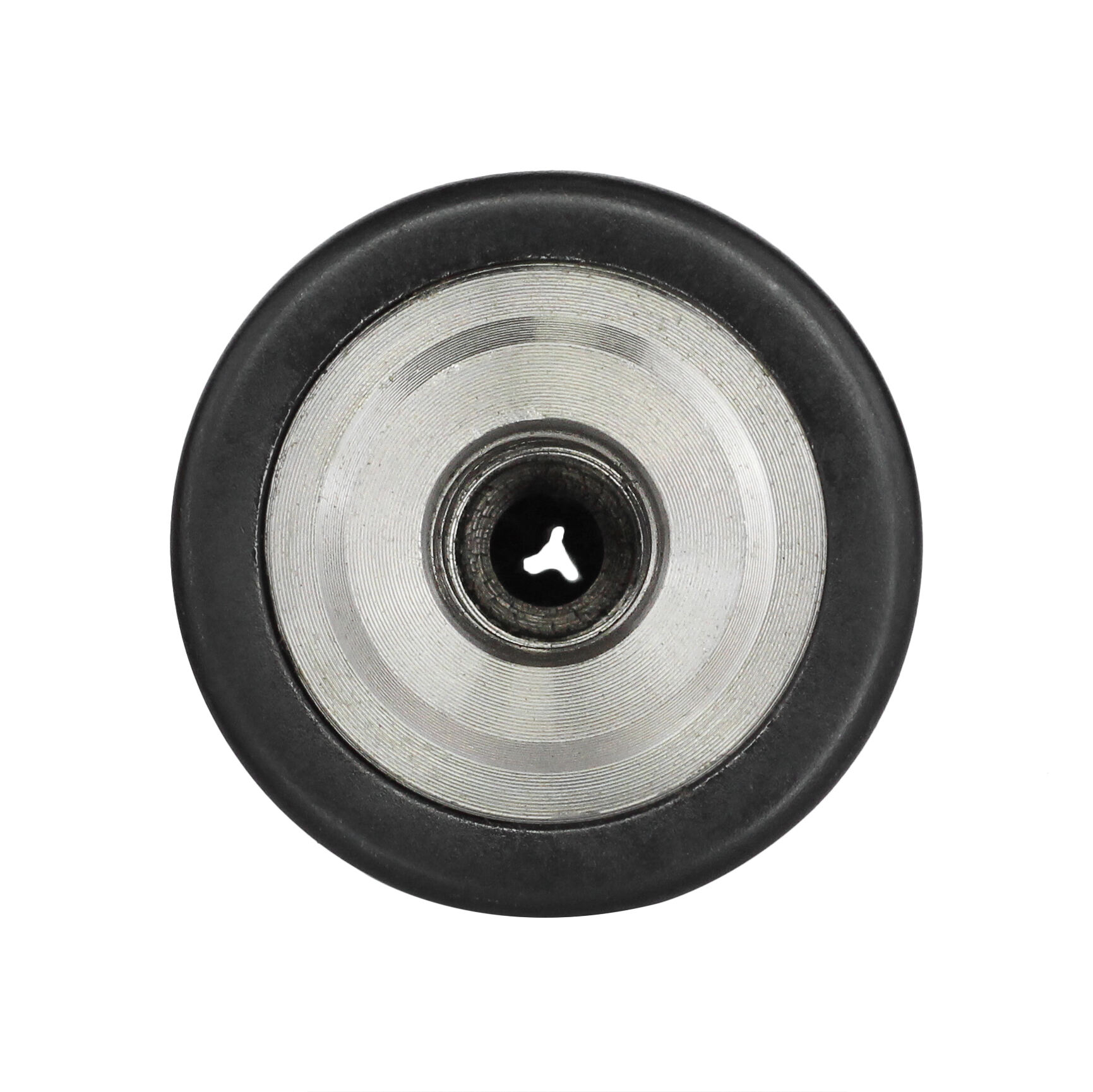
Modern manufacturing has evolved to produce both keyless and keyed drill chuck variants with exceptional precision and durability. The selection process involves evaluating factors such as torque requirements, bit-holding capacity, ease of use, and maintenance considerations. Professional machinists often gravitate toward specific chuck types based on their operational demands, while casual users may prioritize convenience and user-friendly features. Understanding these nuances helps ensure you invest in equipment that aligns perfectly with your intended applications and workflow requirements.
Understanding Drill Chuck Fundamentals
Basic Operating Principles
The primary function of any drill chuck involves securely gripping drill bits, cutting tools, and various accessories while allowing for quick changeovers between different sizes. Traditional keyed drill chucks utilize a specialized key tool to tighten and loosen the chuck jaws around the bit shank. This mechanical advantage system provides exceptional gripping force through gear reduction, enabling operators to achieve maximum holding power even with smaller diameter bits.
Keyless drill chucks eliminate the need for separate tools by incorporating hand-tightening mechanisms directly into the chuck body. These systems typically feature textured gripping surfaces and internal mechanisms that convert rotational force into axial clamping pressure. The convenience factor attracts many users who value quick bit changes and reduced tool management requirements during extended work sessions.
Construction and Material Considerations
Quality drill chuck construction involves precision-machined components manufactured from hardened steel alloys designed to withstand repetitive clamping forces and rotational stresses. The jaw mechanisms must maintain accurate concentricity while providing consistent gripping pressure across various bit diameters. Premium models often feature sealed bearing assemblies and corrosion-resistant coatings that extend operational lifespan in demanding industrial environments.
Manufacturing tolerances play a critical role in drill chuck performance, with tight specifications ensuring minimal runout and optimal bit retention. Advanced metallurgy techniques produce jaw surfaces with enhanced wear resistance, while precision grinding operations create smooth internal surfaces that facilitate smooth operation and accurate bit centering. These engineering considerations directly impact the overall reliability and performance characteristics of both keyless and keyed variants.
Keyless Drill Chuck Advantages
Convenience and Speed Benefits
The primary advantage of keyless drill chucks lies in their exceptional convenience during bit changes and setup procedures. Operators can quickly swap between different drill bit sizes without searching for or managing separate chuck keys, significantly reducing downtime during multi-step drilling operations. This streamlined workflow particularly benefits professionals working on projects requiring frequent bit changes or those operating in environments where tool management poses challenges.
Speed advantages become especially apparent during production runs or repetitive drilling tasks where efficiency directly impacts productivity. The ability to perform one-handed bit changes while maintaining control of the drilling equipment appeals to experienced operators who value operational flexibility. Additionally, keyless systems eliminate the common frustration of misplaced or lost chuck keys that can halt work progress unexpectedly.
Ergonomic and Safety Features
Modern keyless drill chuck designs incorporate ergonomic features that reduce operator fatigue during extended use periods. Textured gripping surfaces provide secure hand contact even when wearing work gloves, while optimized torque requirements ensure adequate bit retention without excessive effort. These human-factor considerations become increasingly important in professional environments where operators spend significant time performing drilling operations.
Safety benefits include reduced risk of injury from sharp chuck key teeth and elimination of potential hazards associated with leaving keys installed in chucks during operation. The integrated design approach of keyless systems prevents foreign object incidents while maintaining full functionality across various operating conditions and environments.
Keyed Drill Chuck Strengths
Superior Gripping Force
Keyed drill chucks excel in applications requiring maximum bit retention force, particularly when working with larger diameter bits or during heavy-duty drilling operations. The mechanical advantage provided by the drill chuck key system enables operators to achieve significantly higher clamping pressures compared to hand-tightened alternatives. This enhanced gripping capability proves essential when drilling through tough materials or when using accessories that generate substantial torque loads.
The gear reduction inherent in keyed systems allows precise control over clamping force application, ensuring optimal bit retention without risk of over-tightening damage to smaller diameter shanks. Professional machinists appreciate this level of control when working with expensive or delicate cutting tools that require careful handling and secure mounting.
Precision and Reliability
Keyed drill chucks often demonstrate superior concentricity and runout characteristics due to their mechanical tightening systems and robust construction methods. The three-point contact system created by properly adjusted chuck jaws provides excellent bit centering and stability during high-speed operations. This precision becomes critical in applications requiring tight tolerances or when using specialized cutting tools designed for specific machining operations.
Long-term reliability advantages stem from the mechanical simplicity of keyed systems, which typically contain fewer moving parts subject to wear compared to keyless alternatives. The external key mechanism isolates the primary gripping forces from internal components, potentially extending overall service life in demanding industrial applications where equipment durability directly impacts operational costs.
Application-Specific Considerations
Professional Workshop Requirements
Professional workshops and manufacturing facilities often prioritize drill chuck selection based on specific operational requirements and equipment compatibility. Heavy-duty applications typically favor keyed systems for their superior gripping force and proven reliability under continuous use conditions. Machine shops working with production drilling operations may specify keyed chucks to ensure consistent performance across multiple work shifts and various operator skill levels.
Maintenance scheduling and replacement part availability influence long-term operational decisions in professional environments. Keyed drill chucks generally offer simpler maintenance procedures and readily available replacement components, making them attractive options for facilities with established maintenance protocols and inventory management systems.
DIY and Hobbyist Applications
Home workshop users and hobbyists frequently gravitate toward keyless drill chuck options due to their convenience and user-friendly operation characteristics. The elimination of separate tools and simplified bit-changing procedures appeals to casual users who may not require maximum gripping force for typical household drilling tasks. Weekend project enthusiasts appreciate the reduced complexity and storage requirements associated with keyless systems.
Cost considerations often influence DIY purchasing decisions, with keyless options sometimes commanding premium prices compared to equivalent keyed alternatives. However, the convenience factor and reduced learning curve associated with keyless operation may justify higher initial costs for users prioritizing ease of use over maximum performance capabilities.
Performance Comparison Analysis
Torque and Holding Power
Quantitative testing reveals significant differences in maximum torque capacity between keyed and keyless drill chuck designs. Keyed systems typically deliver 30-50% higher clamping forces compared to keyless alternatives of similar size and construction quality. This performance advantage becomes particularly pronounced when using larger diameter bits or accessories that generate substantial reactive torques during operation.
Holding power consistency represents another critical performance metric, with keyed systems demonstrating more predictable retention characteristics across varying operational conditions. Temperature fluctuations, vibration exposure, and contamination factors may affect keyless systems more significantly due to their reliance on friction-based clamping mechanisms rather than positive mechanical engagement.
Speed and Efficiency Metrics
Time-motion studies comparing bit change procedures reveal substantial efficiency advantages for keyless drill chucks in applications requiring frequent tool changes. Average changeover times for keyless systems typically range from 5-10 seconds compared to 15-25 seconds for equivalent keyed procedures, depending on operator experience and working conditions. These time savings accumulate significantly during production runs or complex projects involving multiple drilling operations.
Overall workflow efficiency considerations extend beyond simple bit change times to include factors such as tool organization, workspace management, and operator fatigue levels. Keyless systems eliminate the need for chuck key storage and retrieval, reducing overall tool management overhead while maintaining operational flexibility across various applications and environments.
Maintenance and Longevity Factors
Service Requirements
Routine maintenance procedures differ significantly between keyless and keyed drill chuck variants, with each design presenting unique service considerations and requirements. Keyless systems typically require periodic lubrication of internal mechanisms and inspection of wear-prone components such as grip rings and adjustment mechanisms. The sealed nature of many keyless designs can complicate maintenance access while providing protection from contamination during normal operation.
Keyed drill chucks generally offer more straightforward maintenance procedures with external access to critical components and adjustment mechanisms. Chuck key condition monitoring becomes essential, as worn or damaged keys can compromise gripping performance and potentially cause safety hazards. Regular inspection schedules should include chuck jaw wear assessment and concentricity verification to maintain optimal performance standards.
Replacement and Upgrade Considerations
Component replacement availability varies between drill chuck types, with keyed systems typically offering superior parts availability and lower replacement costs. Individual chuck jaws, springs, and adjustment mechanisms can often be serviced independently, extending overall service life and reducing total ownership costs. This modularity appeals to maintenance-conscious operations where equipment downtime directly impacts productivity and profitability.
Technology evolution continues advancing both keyless and keyed drill chuck designs, with manufacturers introducing improved materials, enhanced precision manufacturing techniques, and innovative features designed to bridge performance gaps between the two approaches. Upgrade timing decisions should consider compatibility requirements, performance improvements, and long-term operational benefits relative to current equipment capabilities and application demands.
Selection Guidelines and Recommendations
Decision Matrix Development
Creating a systematic evaluation framework helps ensure optimal drill chuck selection based on specific application requirements and operational priorities. Key evaluation criteria should include maximum torque requirements, bit change frequency, operator skill levels, maintenance capabilities, and budget constraints. Weighting these factors according to their relative importance in your specific application provides objective guidance for the selection process.
Environmental considerations play increasingly important roles in equipment selection decisions, particularly in applications exposed to contamination, temperature extremes, or corrosive conditions. Keyless systems may offer advantages in dusty environments where chuck keys could become contaminated, while keyed systems might excel in applications where maximum reliability outweighs convenience factors.
Future-Proofing Strategies
Investment decisions should consider evolving technology trends and changing operational requirements that may affect long-term equipment value and compatibility. Standardization initiatives within your organization or industry may influence chuck selection to ensure consistency across multiple machines and operators. Additionally, training requirements and skill development considerations may favor one approach over another depending on workforce characteristics and development goals.
Emerging hybrid technologies attempt to combine the convenience of keyless operation with the gripping power of keyed systems, potentially offering compelling alternatives for users seeking optimal performance across multiple criteria. Monitoring these developments while maintaining focus on current operational requirements helps balance immediate needs with future flexibility and upgrade potential.
FAQ
What is the main difference between keyless and keyed drill chucks?
The primary difference lies in the tightening mechanism used to secure drill bits. Keyed drill chucks require a separate chuck key tool to tighten and loosen the jaws around the bit, providing maximum gripping force through mechanical advantage. Keyless chucks allow hand-tightening without additional tools, offering convenience and speed but typically with lower maximum clamping force compared to keyed alternatives.
Which type provides better bit retention for heavy-duty applications?
Keyed drill chucks generally provide superior bit retention for heavy-duty applications due to their mechanical advantage system that can generate significantly higher clamping forces. The chuck key allows operators to apply precise torque for optimal gripping without risk of over-tightening, making keyed systems preferred for large diameter bits, tough materials, and high-torque drilling operations where maximum holding power is essential.
Are keyless drill chucks suitable for professional use?
Yes, modern keyless drill chucks are absolutely suitable for professional use, particularly in applications where convenience and speed outweigh maximum gripping force requirements. Many professionals prefer keyless systems for general drilling tasks, frequent bit changes, and situations where tool management simplicity improves overall workflow efficiency. However, the choice depends on specific application demands and operational priorities.
How do I maintain my drill chuck for optimal performance?
Regular maintenance involves periodic cleaning to remove debris and contamination, proper lubrication of moving components according to manufacturer specifications, and inspection of chuck jaws for wear or damage. For keyed systems, ensure the chuck key remains in good condition and check for proper engagement. For keyless systems, verify smooth operation of the hand-tightening mechanism and inspect grip surfaces for wear that could affect holding power.