 EN
EN
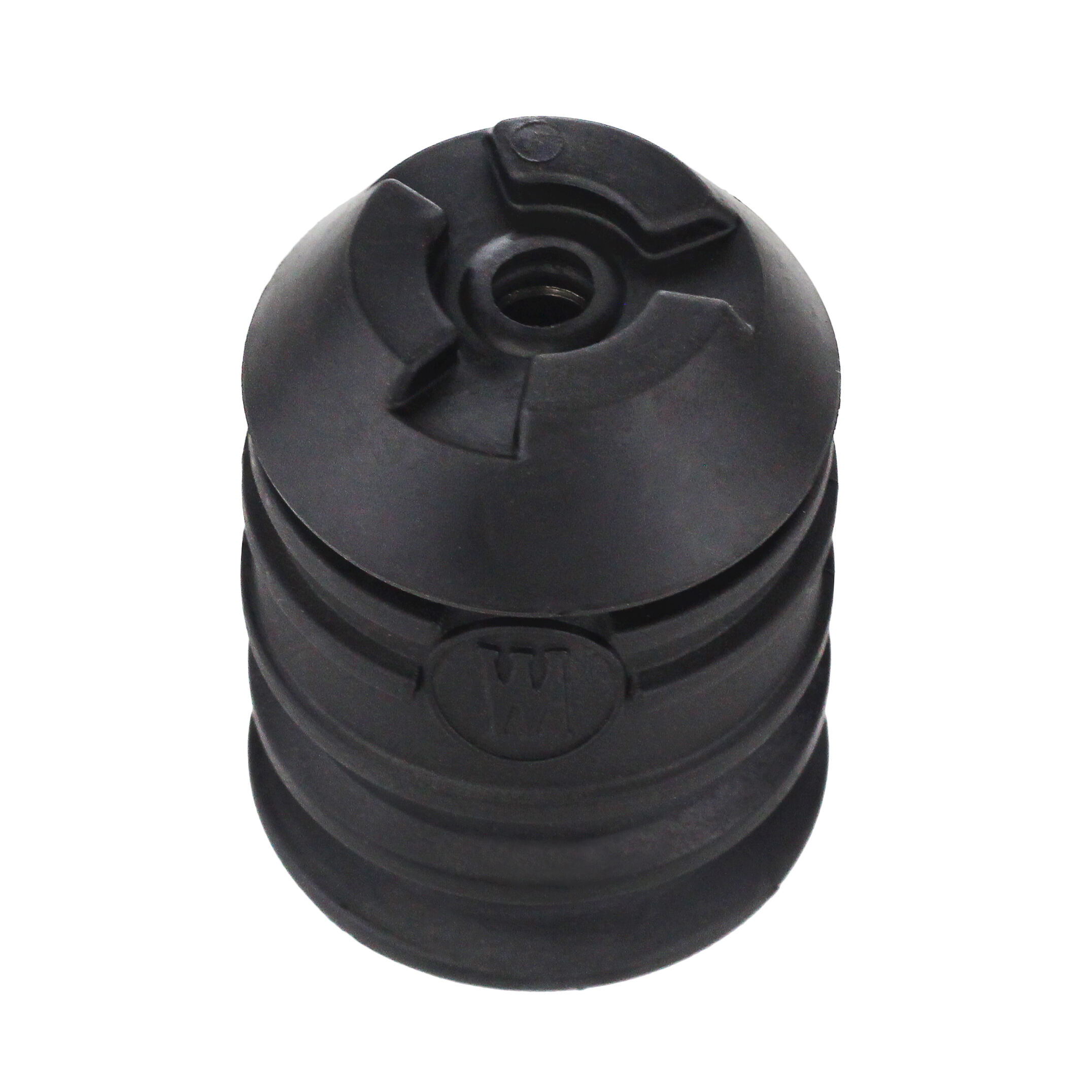
Every workshop professional and DIY enthusiast has encountered frustrating moments when their drill chuck fails to perform as expected. Whether you're working on precision machining projects or simple home repairs, drill chuck malfunctions can bring productivity to a grinding halt. Understanding the most common issues and their practical solutions will help you maintain optimal performance and extend the lifespan of your drilling equipment. From slipping bits to jaw misalignment, these problems often have straightforward fixes that don't require expensive replacements or professional service calls.
Understanding Drill Chuck Mechanisms and Common Failure Points
Basic Chuck Construction and Operation
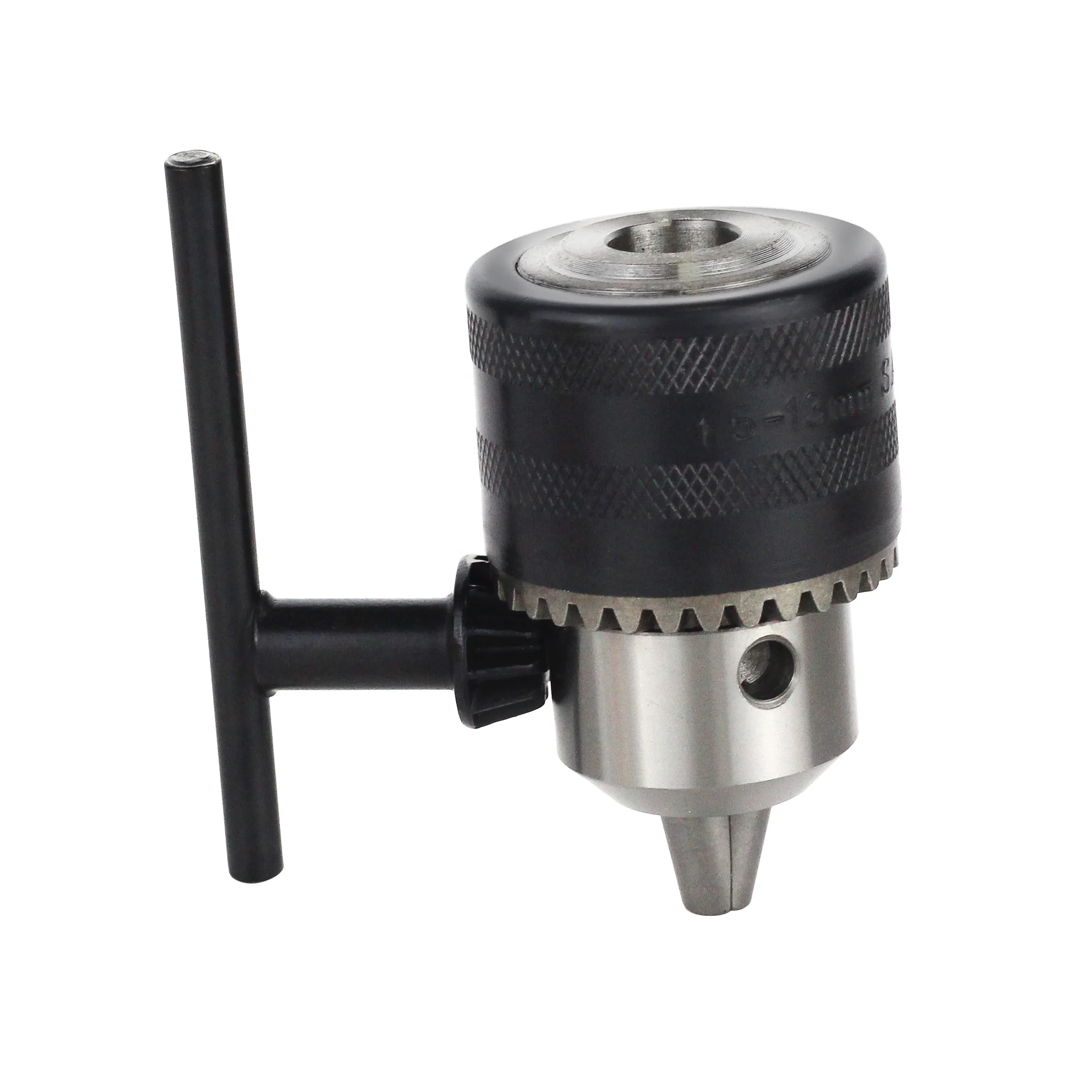
Modern drill chucks operate through a precisely engineered system of jaws, threads, and adjustment mechanisms. The three-jaw design found in most standard chucks relies on synchronized movement to grip drill bits securely. When you rotate the chuck key or sleeve, internal threads force the jaws to move inward or outward simultaneously. This mechanism requires proper alignment and lubrication to function smoothly over extended periods of use.
Manufacturing tolerances play a crucial role in chuck performance, as even minor deviations can lead to uneven jaw movement or poor bit retention. Quality drill chucks feature hardened steel jaws and precision-machined threads that maintain tight tolerances even after thousands of operations. Understanding these mechanical principles helps identify why certain problems occur and guides effective troubleshooting approaches.
Signs of Chuck Deterioration
Early detection of chuck problems prevents minor issues from escalating into major failures. Unusual sounds during operation, such as grinding or clicking, often indicate worn internal components or debris accumulation. Visual inspection may reveal scoring on jaw surfaces, rust formation, or visible wear patterns that compromise gripping effectiveness. Regular monitoring of chuck performance helps establish maintenance schedules and replacement timing.
Performance degradation typically manifests gradually, with subtle changes in bit retention force or concentricity accuracy preceding complete failure. Professional machinists often maintain detailed logs of chuck behavior to track deterioration patterns and optimize replacement intervals. This proactive approach minimizes unexpected downtime and ensures consistent machining quality across production runs.
Slipping Drill Bits and Retention Problems
Identifying the Root Causes
Bit slippage represents one of the most common and dangerous chuck-related problems in industrial and workshop environments. When drill bits slip during operation, they can damage workpieces, create safety hazards, and reduce drilling accuracy. The primary causes include worn jaw surfaces, inadequate tightening torque, incompatible bit shanks, and contamination within the chuck mechanism. Each factor requires specific diagnostic approaches and targeted solutions.
Jaw wear patterns provide valuable clues about usage history and maintenance practices. Uniform wear across all three jaws suggests normal aging, while uneven wear indicates misalignment or contamination issues. Measuring jaw surface roughness and inspecting for scoring marks helps determine whether resurfacing or replacement becomes necessary. Professional shops often maintain spare chucks to minimize downtime during maintenance procedures.
Effective Solutions and Prevention
Resolving bit slippage requires systematic evaluation of tightening procedures, chuck condition, and bit compatibility. Using the proper chuck key and applying appropriate torque prevents both under-tightening and over-tightening scenarios. Many operators underestimate the force required for secure bit retention, especially with larger diameter bits or high-torque applications. Establishing standardized tightening procedures ensures consistent results across different operators.
Regular cleaning and lubrication significantly reduce slippage incidents while extending chuck service life. Removing metal particles, cutting fluid residue, and other contaminants from jaw surfaces and internal threads maintains optimal gripping performance. Light machine oil applied to moving parts prevents corrosion and ensures smooth operation. However, excessive lubrication can attract debris and actually worsen contamination problems.
Chuck Jaw Misalignment and Wobble Issues
Diagnosing Concentricity Problems
Jaw misalignment creates concentricity errors that manifest as drill bit wobble, poor hole quality, and premature tool wear. Measuring runout with a dial indicator provides quantitative assessment of alignment accuracy. Most precision applications require runout values below 0.002 inches, while general-purpose drilling can tolerate slightly higher values. Systematic measurement at different chuck positions helps identify whether problems stem from jaw wear, thread damage, or spindle issues.
Temperature variations and thermal cycling can contribute to alignment problems, particularly in high-speed applications or environments with significant temperature fluctuations. Thermal expansion affects different chuck components at varying rates, potentially creating temporary misalignment conditions. Understanding these thermal effects helps operators develop appropriate warm-up procedures and environmental controls for critical applications.
Realignment Techniques and Adjustments
Minor misalignment issues often respond to careful jaw adjustment and cleaning procedures. Systematic loosening and retightening of chuck jaws while monitoring runout readings can redistribute internal stresses and improve concentricity. This process requires patience and precision, as excessive force can worsen alignment problems or damage delicate internal components. Professional machinists often use specialized arbors and measurement tools to achieve optimal jaw positioning.
Severe misalignment typically indicates worn or damaged internal components that require professional repair or chuck replacement. Attempting complex repairs without proper tools and expertise can result in further damage and safety hazards. Cost-benefit analysis comparing repair costs with new drill chuck prices helps guide decision-making for equipment maintenance managers.
Threading and Key-Related Complications
Thread Wear and Damage Assessment
Chuck threads experience significant stress during tightening and loosening operations, making them susceptible to wear and damage over time. Cross-threading events, excessive torque application, and contamination can accelerate thread deterioration. Visual inspection reveals obvious damage such as stripped or deformed threads, while tactile assessment during key rotation identifies binding or rough spots that indicate developing problems.
Thread pitch accuracy directly affects chuck performance and safety. Worn threads may allow chuck components to separate under load, creating dangerous situations and potentially damaging expensive equipment. Thread gauges and measurement tools provide precise assessment of thread condition, helping determine whether repair or replacement becomes necessary. Regular inspection schedules prevent catastrophic failures and maintain workplace safety standards.
Key Maintenance and Replacement Strategies
Chuck keys require regular inspection and maintenance to ensure proper engagement and prevent thread damage. Worn or damaged keys can strip chuck threads, leading to expensive repairs or replacement requirements. Key teeth should maintain sharp, well-defined profiles that mesh smoothly with chuck threads. Filing or grinding damaged keys often provides temporary solutions, but replacement ensures optimal performance and prevents further damage.
Proper key storage and handling practices significantly extend service life and prevent loss-related downtime. Magnetic holders, retractable chains, and designated storage locations help maintain key availability and condition. Many shops maintain multiple spare keys for critical equipment, reducing the risk of production delays caused by lost or damaged keys. Standardizing key types across similar equipment simplifies inventory management and operator training requirements.
Cleaning and Maintenance Best Practices
Systematic Cleaning Procedures
Effective chuck maintenance begins with establishing regular cleaning schedules and standardized procedures. Daily cleaning removes surface contaminants and cutting fluid residue before they penetrate internal mechanisms. Weekly deep cleaning involves disassembly where appropriate, thorough degreasing, and inspection of internal components. Monthly maintenance includes lubrication, adjustment verification, and replacement of worn consumable parts.
Selecting appropriate cleaning solvents and tools prevents damage to chuck surfaces and seals. Harsh chemicals can deteriorate rubber components and remove protective coatings, while abrasive materials may score precision surfaces. Ultrasonic cleaning baths provide excellent results for heavily contaminated components, though proper solution selection and temperature control remain critical. Compressed air helps remove loosened debris and dry components thoroughly before reassembly.
Lubrication Requirements and Intervals
Proper lubrication reduces friction, prevents corrosion, and extends chuck service life significantly. Different chuck components require specific lubricant types and application methods. Light machine oil works well for threads and moving parts, while heavier greases provide longer-lasting protection for bearings and high-load surfaces. Over-lubrication attracts contaminants and can interfere with jaw gripping action, making precise application essential.
Environmental conditions influence lubrication requirements and intervals. High-temperature applications may require synthetic lubricants with superior thermal stability, while corrosive environments demand specialized protective coatings. Monitoring lubricant condition through regular sampling and analysis helps optimize maintenance intervals and prevent premature component failure. Modern condition monitoring techniques provide early warning of developing problems before they cause significant damage.
FAQ
How often should I clean my drill chuck
The cleaning frequency for drill chucks depends on usage intensity and environmental conditions. For daily use in typical workshop environments, perform light cleaning at the end of each work session and thorough cleaning weekly. Heavy-duty industrial applications may require daily deep cleaning, while occasional home use might only need monthly maintenance. Always clean immediately after exposure to cutting fluids, metal shavings, or corrosive materials to prevent permanent damage.
What causes drill chuck jaws to stick or freeze
Stuck or frozen chuck jaws typically result from contamination, corrosion, or dried lubricants within the mechanism. Metal particles, dust, and cutting fluid residue can accumulate in thread areas and jam the jaw movement. Cold temperatures can thicken lubricants and reduce their effectiveness, while moisture exposure leads to rust formation on internal components. Regular cleaning and proper lubrication prevent most sticking problems, though severe cases may require professional disassembly and restoration.
When should I replace rather than repair my drill chuck
Replace your drill chuck when repair costs exceed 60-70% of new equipment price, or when safety concerns arise from worn components. Severe jaw wear, damaged threads, or compromised structural integrity warrant immediate replacement regardless of cost considerations. Additionally, if the chuck cannot maintain required precision tolerances after proper adjustment and maintenance, replacement becomes necessary for quality-critical applications. Consider upgrading to higher-capacity or precision models when replacing worn equipment.
Can I use different types of drill bits in the same chuck
Most standard drill chucks accommodate various bit types within their specified size range, including twist drills, spade bits, and specialty cutting tools. However, verify that bit shank dimensions match chuck capacity and that the application falls within the chuck's torque and speed ratings. Some specialized bits require specific chuck types or adapters for optimal performance and safety. Always consult manufacturer specifications when using non-standard bits or operating at extreme speeds or torque levels.