 EN
EN
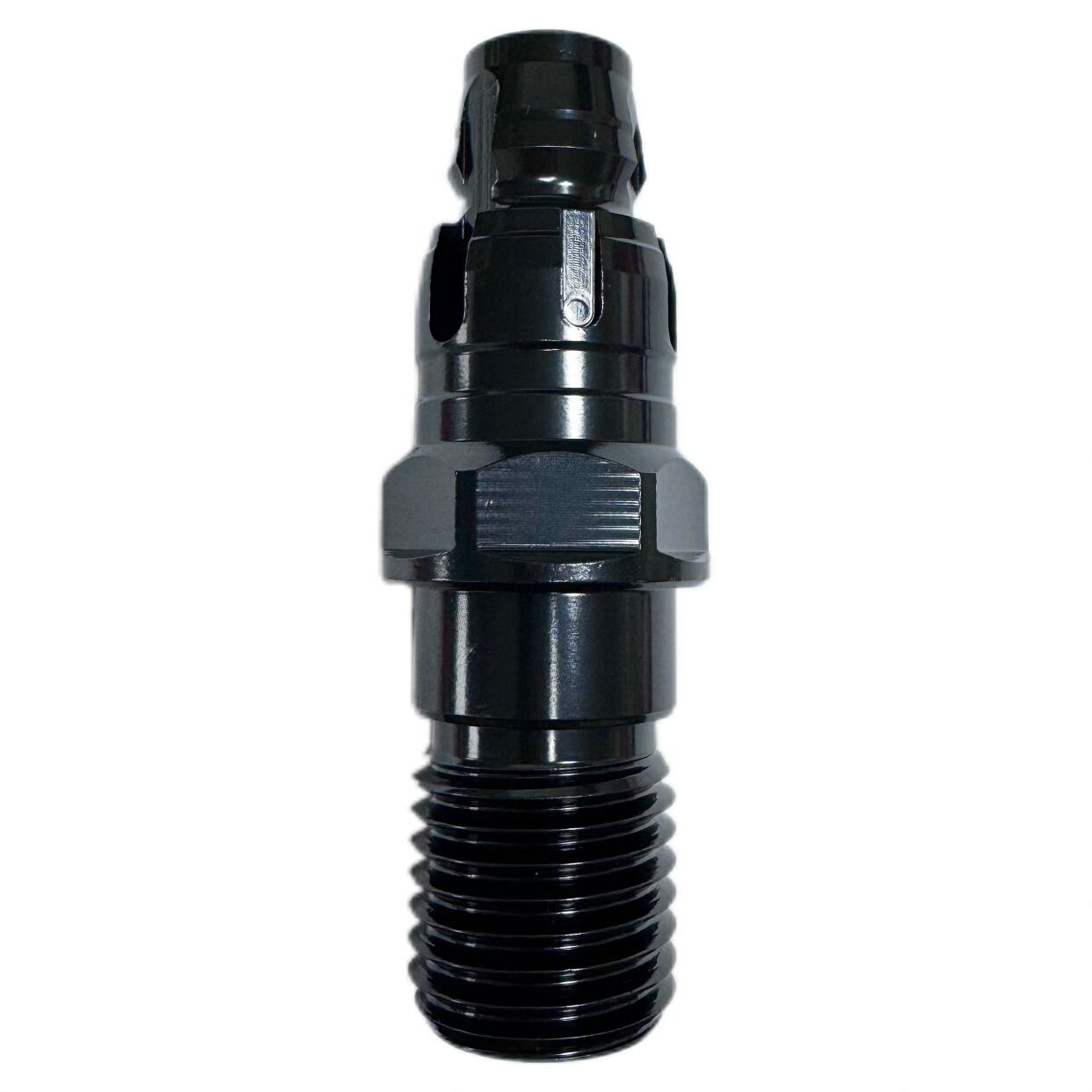
Professional contractors and DIY enthusiasts often encounter compatibility challenges when working with different drill systems and tooling configurations. A drill chuck adapter serves as the crucial bridge between various drill types and chuck systems, enabling seamless transitions between SDS-Plus, SDS-Max, and conventional chuck formats. Understanding the specific requirements and applications of each adapter type ensures optimal performance and prevents costly equipment mismatches in demanding work environments.
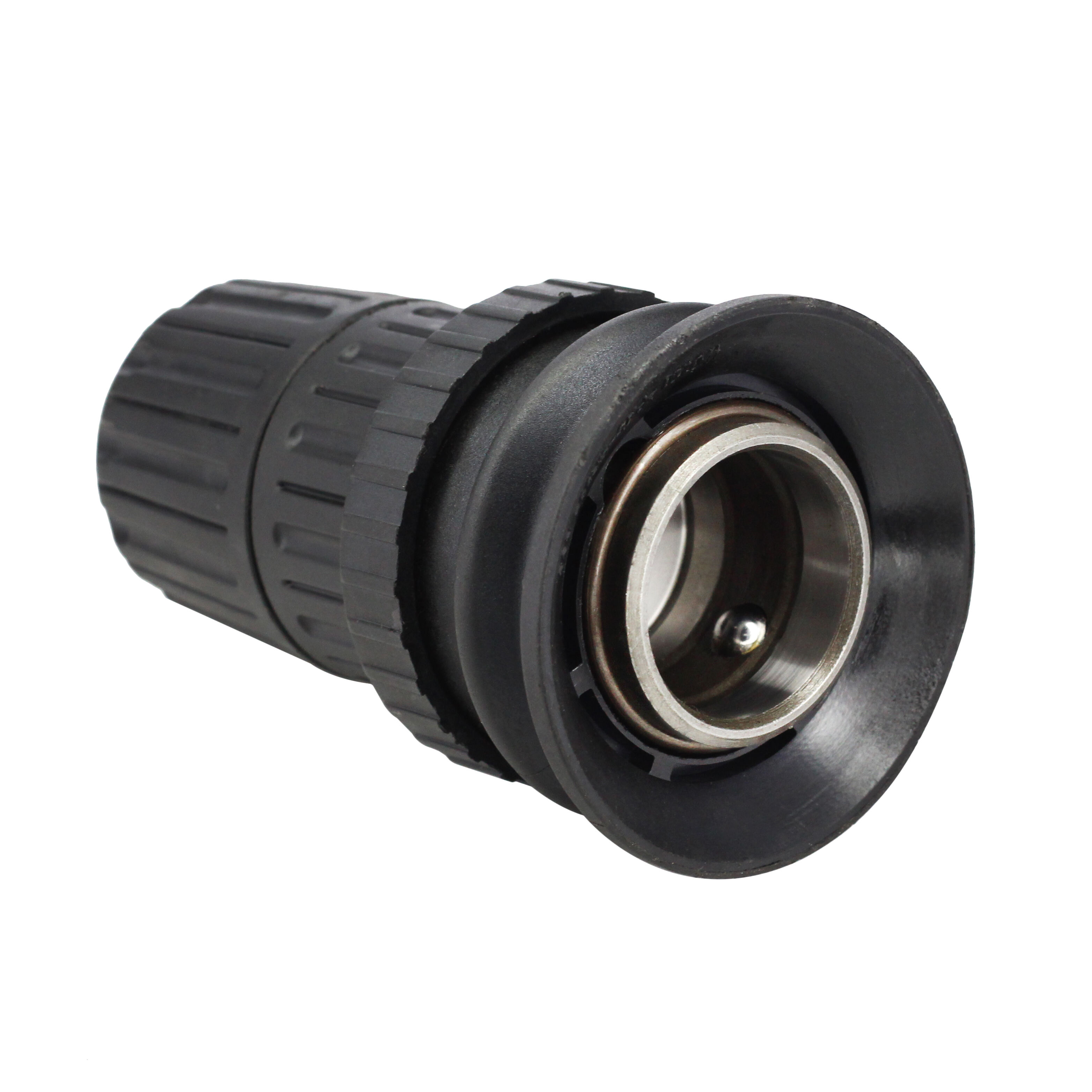
Understanding SDS Chuck Systems and Compatibility Requirements
SDS-Plus System Characteristics
The SDS-Plus system represents one of the most widely adopted standards in modern rotary hammer applications. This system features a 10mm shank diameter with four grooves that provide secure bit retention and efficient power transmission. The design allows for quick bit changes without requiring additional tools, making it ideal for continuous operation in construction and renovation projects. Most compact and medium-duty rotary hammers utilize this system due to its balance of holding power and ease of use.
Professional tradespeople appreciate the SDS-Plus system for its reliability in concrete drilling, light demolition work, and masonry applications. The system's spring-loaded mechanism ensures consistent bit engagement while allowing for the necessary hammer action required in impact drilling operations. When selecting a drill chuck adapter for SDS-Plus compatibility, understanding these mechanical requirements becomes essential for maintaining optimal performance standards.
SDS-Max System Applications
Heavy-duty applications require the robust capabilities of the SDS-Max system, which features an 18mm shank diameter designed for maximum power transmission and tool stability. This system excels in demanding environments where large-diameter holes and extensive demolition work are required. The increased shank size provides superior torque handling and reduces bit slippage during intensive operations, making it the preferred choice for commercial construction and infrastructure projects.
The SDS-Max system's design incorporates enhanced safety features that prevent accidental bit ejection during high-impact operations. Professional contractors working with concrete thicknesses exceeding six inches typically rely on this system for its consistent performance and durability. The system's mechanical advantages become particularly evident when drilling anchor holes, creating utility penetrations, or performing controlled demolition tasks that demand precision and reliability.
Adapter Configuration Options and Selection Criteria
Direct Conversion Adapters
Direct conversion adapters provide straightforward compatibility between different chuck systems without requiring intermediate components or complex installation procedures. These adapters feature precision-machined surfaces that ensure accurate alignment and secure connection between the drill chuck adapter and the target system. The manufacturing tolerances must meet strict specifications to prevent wobble, vibration, or premature wear during operation.
Quality direct conversion adapters incorporate hardened steel construction with appropriate heat treatment to withstand the mechanical stresses encountered in professional applications. The adapter's internal mechanisms must accommodate the specific engagement requirements of both the source and destination chuck systems. Professional users should verify compatibility charts and manufacturer specifications before selecting direct conversion adapters to ensure proper fit and performance characteristics.
Multi-System Adapter Kits
Comprehensive adapter kits offer versatility for professionals who regularly work with multiple drill systems and chuck configurations. These kits typically include various adapter combinations that enable transitions between SDS-Plus, SDS-Max, and conventional three-jaw chuck systems. The modular design allows users to configure the appropriate combination for specific job requirements without maintaining separate individual adapters.
Professional-grade adapter kits include detailed compatibility charts and installation instructions that guide proper selection and assembly procedures. The kit components undergo rigorous testing to ensure consistent performance across different combinations and operating conditions. Users benefit from the cost-effectiveness and convenience of having multiple configuration options readily available, particularly in environments where job requirements frequently change or multiple drill types are employed simultaneously.
Material Specifications and Durability Considerations
Steel Alloy Composition
High-quality drill chuck adapter construction relies on specific steel alloy compositions that provide optimal strength-to-weight ratios and corrosion resistance. Chrome vanadium steel represents a popular choice for adapter manufacturing due to its excellent fatigue resistance and ability to maintain dimensional stability under repeated stress cycles. The alloy's chemical composition includes precise percentages of chromium and vanadium that enhance hardness while preserving toughness characteristics essential for impact applications.
Heat treatment processes applied during manufacturing significantly influence the final performance characteristics of steel adapter components. Proper tempering procedures ensure that the material achieves the desired hardness levels without becoming brittle or prone to fracture under operational loads. Professional users should prioritize adapters manufactured from certified steel grades that meet industry standards for mechanical properties and dimensional accuracy.
Surface Treatment and Protection
Advanced surface treatments extend adapter service life by providing protection against corrosion, wear, and environmental degradation. Electroplating processes apply thin layers of protective metals such as zinc or nickel that create barriers against moisture and chemical exposure. These treatments maintain the adapter's appearance and functionality throughout extended service periods, particularly in challenging work environments.
Some manufacturers incorporate specialized coatings that reduce friction between moving components while providing enhanced corrosion protection. These treatments improve the adapter's performance characteristics by reducing insertion force requirements and minimizing wear on mating surfaces. Professional applications benefit from these enhanced surface treatments through improved reliability and reduced maintenance requirements over the adapter's operational lifetime.
Installation Procedures and Safety Considerations
Proper Alignment Techniques
Correct installation procedures ensure optimal adapter performance and prevent damage to both the adapter and connected equipment. Initial alignment verification involves checking that all engagement surfaces are clean and free from debris, oil, or other contaminants that could affect proper seating. The adapter must be inserted straight and true to avoid cross-threading or binding that could compromise the connection integrity.
Professional installation practices include verifying that the adapter fully seats within the chuck mechanism and that all retention features engage properly. Visual inspection should confirm that no gaps exist between mating surfaces and that the adapter exhibits no wobble or looseness when manually rotated. Proper torque application during tightening ensures secure retention without over-stressing the adapter components or chuck mechanism.
Operational Safety Protocols
Safety protocols for drill chuck adapter usage include regular inspection schedules that identify potential wear patterns or damage before they result in operational failures. Operators should examine adapters for signs of cracking, excessive wear, or deformation that could indicate approaching end of service life. Immediate replacement of damaged adapters prevents potential safety hazards and equipment damage.
Pre-operation checks should verify secure adapter retention and proper engagement with the drill chuck system. Operators must confirm that the adapter remains firmly seated throughout the operation and shows no signs of loosening or migration. Emergency procedures should be established for situations where adapter failure occurs during operation, including immediate shutdown protocols and equipment isolation procedures.
Performance Optimization and Maintenance Requirements
Operational Parameter Management
Optimizing drill chuck adapter performance requires careful attention to operational parameters including rotational speed, applied force, and duty cycle considerations. Different adapter types exhibit varying performance characteristics that must be matched to specific application requirements. Understanding these limitations prevents premature wear and ensures consistent performance throughout the adapter's service life.
Professional operators monitor performance indicators such as vibration levels, noise characteristics, and power consumption patterns that may indicate adapter-related issues. Maintaining operational parameters within manufacturer specifications prevents excessive stress and extends component life. Regular performance monitoring enables proactive maintenance scheduling and prevents unexpected equipment failures during critical operations.
Preventive Maintenance Protocols
Systematic maintenance protocols for drill chuck adapter systems include regular cleaning procedures that remove accumulated debris and contaminants from engagement surfaces. Appropriate lubricants applied to moving components reduce friction and wear while maintaining proper operation of retention mechanisms. Maintenance schedules should account for operating environment conditions and usage intensity to optimize service intervals.
Documentation of maintenance activities provides valuable performance trend data that guides replacement decisions and identifies potential system improvements. Professional maintenance programs incorporate wear measurement procedures that track adapter condition over time and establish replacement criteria based on measured parameters rather than arbitrary time intervals. This approach maximizes adapter utilization while maintaining safety and performance standards.
FAQ
What is the difference between SDS-Plus and SDS-Max adapter systems?
SDS-Plus adapters feature a 10mm shank diameter designed for light to medium-duty applications, while SDS-Max adapters use an 18mm shank for heavy-duty work. The SDS-Plus system is ideal for compact rotary hammers and general concrete drilling, whereas SDS-Max handles demanding demolition and large-diameter drilling tasks. The choice depends on your equipment specifications and intended application requirements.
How do I determine the correct adapter size for my drill?
Check your drill's chuck specifications in the owner's manual or on the manufacturer's label to identify the chuck type and size. Measure the shank diameter if specifications are unclear - SDS-Plus uses 10mm while SDS-Max uses 18mm shanks. Verify compatibility by consulting manufacturer cross-reference charts or contacting technical support to ensure proper fit and performance.
Can drill chuck adapters affect drilling performance?
High-quality adapters maintain drilling performance when properly selected and installed, while inferior adapters may introduce vibration, reduce power transmission, or cause premature tool wear. Precision manufacturing and appropriate materials ensure minimal performance impact. Regular inspection and proper maintenance of adapters help maintain optimal drilling efficiency and prevent performance degradation over time.
What safety precautions should I follow when using chuck adapters?
Always verify secure adapter installation before operation and inspect for wear or damage regularly. Ensure proper torque application during installation to prevent loosening during use. Follow manufacturer guidelines for operational speeds and forces, and replace adapters immediately if cracks, excessive wear, or deformation are observed. Maintain emergency shutdown procedures in case of adapter failure during operation.