 EN
EN
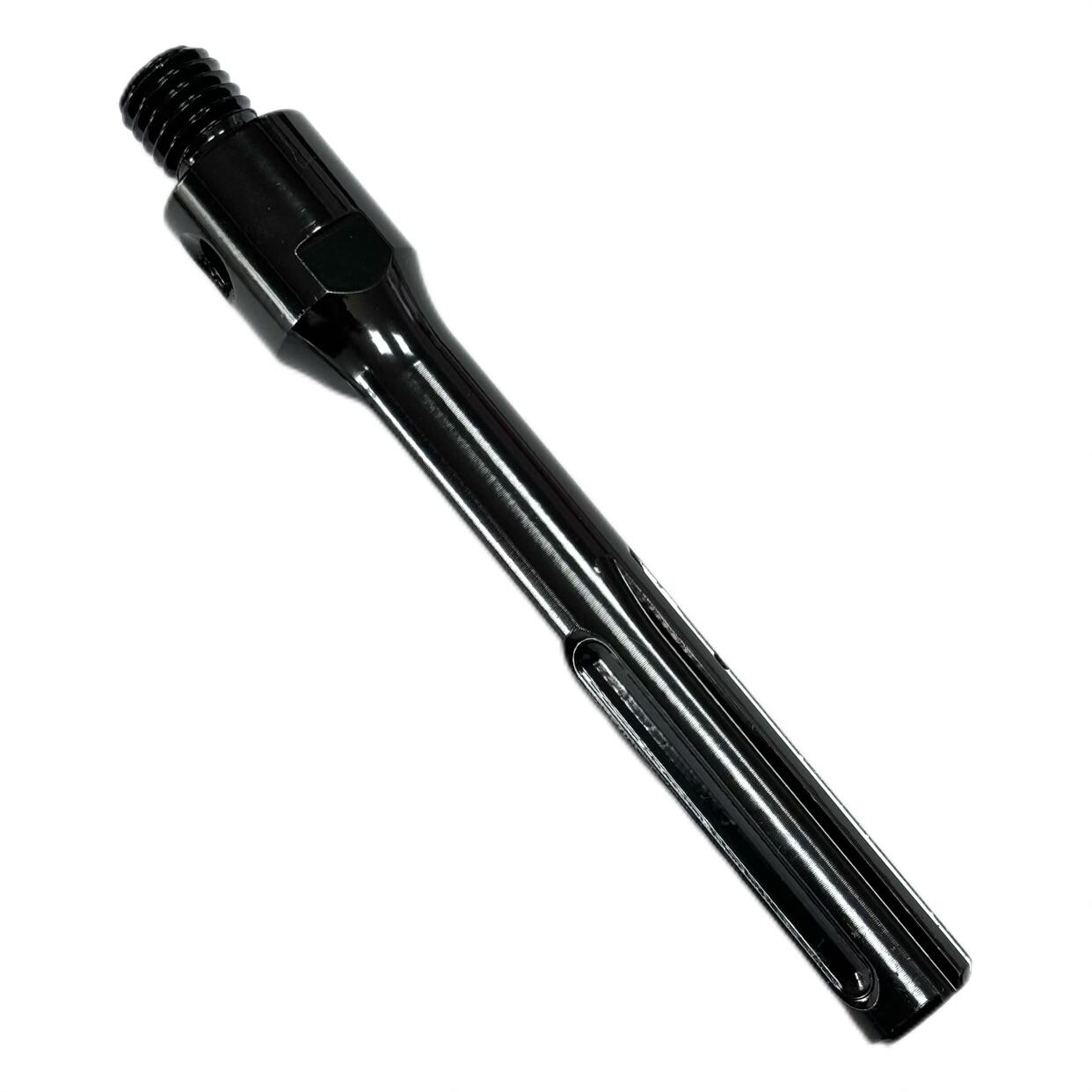
Proper maintenance of your drill chuck adapter is crucial for ensuring optimal performance and extending the lifespan of your drilling equipment. These precision-engineered components serve as the vital connection between your hammer drill and various drill bits, making regular care and maintenance essential for both safety and efficiency. Understanding how to properly maintain your drill chuck adapter can prevent costly repairs, reduce downtime, and ensure consistent drilling performance across various applications.
Understanding Drill Chuck Adapter Components
Internal Mechanism Analysis
The internal components of a drill chuck adapter consist of several precision-machined parts that work in harmony to secure drill bits effectively. The primary elements include the chuck body, jaw mechanism, and retention system. Each component requires specific attention during maintenance procedures to ensure smooth operation and reliable bit retention. The jaw mechanism, in particular, contains multiple moving parts that can accumulate debris and require regular lubrication to maintain optimal functionality.
Understanding the materials used in construction helps determine appropriate maintenance approaches. Most quality adapters feature hardened steel construction with specialized coatings to resist wear and corrosion. These materials require specific cleaning agents and lubricants to maintain their protective properties and ensure long-term durability under demanding drilling conditions.
External Housing Considerations
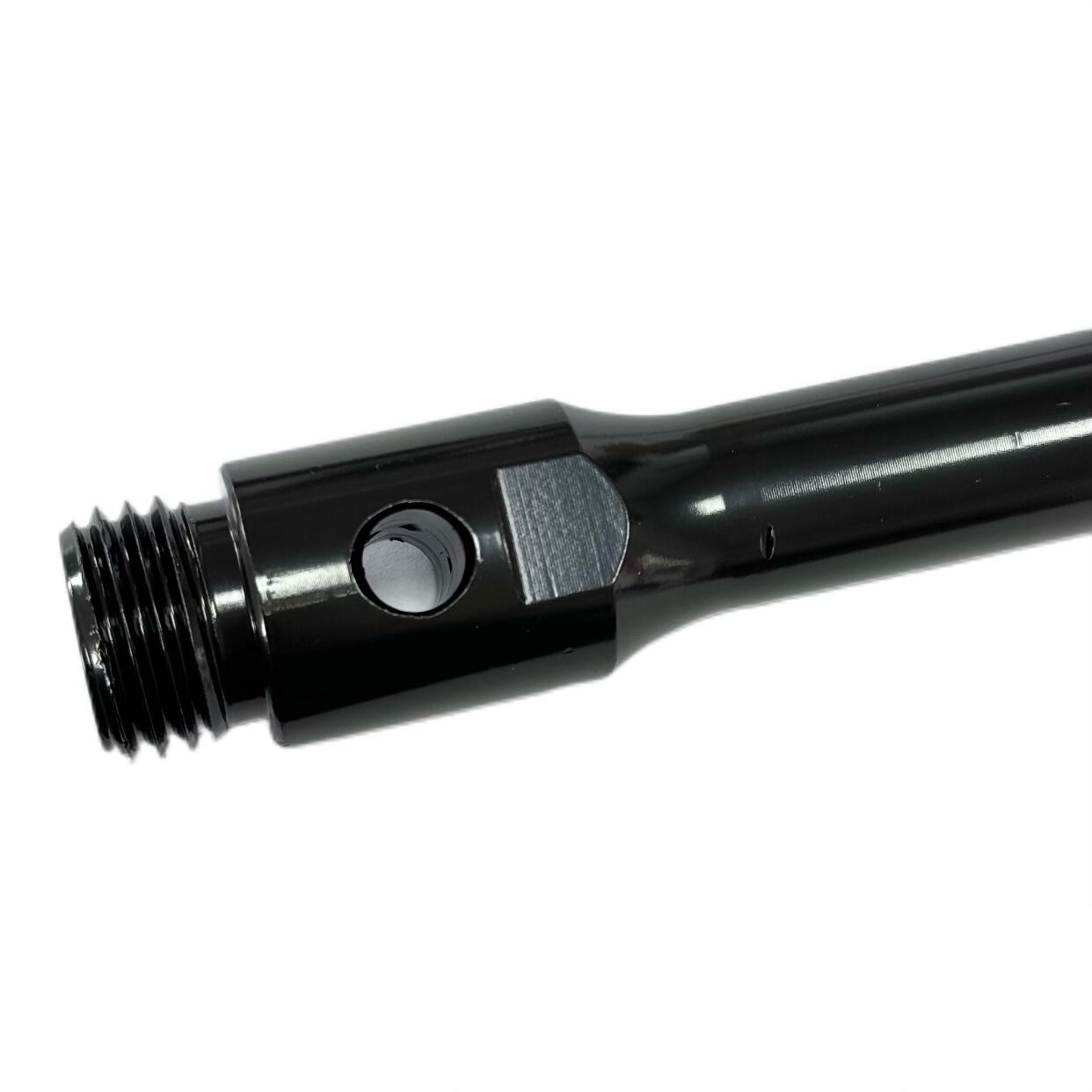
The external housing of your drill chuck adapter serves as the first line of defense against environmental contamination and physical damage. Regular inspection of the housing reveals potential issues before they compromise internal components. Look for signs of wear, cracks, or damage that could allow debris infiltration or affect the adapter's structural integrity during operation.
Surface treatments and protective coatings on the housing require gentle cleaning methods to preserve their effectiveness. Harsh chemicals or abrasive cleaning materials can damage these protective layers, leading to premature wear and reduced performance. Maintaining the external housing in excellent condition contributes significantly to overall adapter longevity and reliability.
Regular Cleaning Procedures
Daily Cleaning Protocols
Implementing daily cleaning routines prevents the accumulation of drilling debris that can interfere with proper adapter function. After each use, remove the drill chuck adapter from your drill and inspect it for visible contamination. Use compressed air to blow out loose debris from the chuck mechanism and surrounding areas, paying particular attention to the jaw areas where particles commonly accumulate.
Wipe down all external surfaces with a clean, dry cloth to remove dust and moisture that could lead to corrosion over time. For stubborn debris, use a soft-bristled brush to gently remove particles without damaging delicate surfaces. This simple daily routine takes only minutes but significantly extends adapter life and maintains consistent performance standards.
Deep Cleaning Techniques
Weekly or monthly deep cleaning procedures address contamination that daily maintenance cannot remove. Disassemble the adapter according to manufacturer instructions, taking care to note the position and orientation of internal components for proper reassembly. Clean each component individually using appropriate solvents that won't damage seals or protective coatings.
Ultrasonic cleaning baths provide excellent results for removing stubborn contaminants from internal components. Set appropriate frequency and cleaning solution parameters based on the materials involved. After cleaning, thoroughly dry all components before applying fresh lubricant and reassembling the adapter. This deep cleaning process removes accumulated contaminants that could interfere with smooth operation.
Lubrication Best Practices
Selecting Appropriate Lubricants
Choosing the correct lubricant for your drill chuck adapter depends on several factors including operating temperature range, drilling environment, and manufacturer specifications. High-quality lithium-based greases typically provide excellent performance for most applications, offering superior temperature stability and water resistance. Avoid using general-purpose lubricants that may not provide adequate protection under the demanding conditions encountered during drilling operations.
Consider specialized lubricants designed specifically for precision drilling equipment when working in extreme environments. These formulations often include additives that enhance performance under high-pressure conditions and provide superior corrosion protection. Always consult manufacturer recommendations before selecting lubricants to ensure compatibility with seal materials and internal components.
Application Methods and Frequency
Proper lubrication application requires understanding both the quantity needed and the frequency of application. Over-lubrication can attract debris and interfere with proper chuck operation, while insufficient lubrication leads to premature wear and potential failure. Apply lubricant sparingly to moving parts, ensuring even distribution without excess buildup in critical areas.
Establish a lubrication schedule based on usage frequency and operating conditions. Heavy-duty applications may require weekly lubrication, while occasional use might extend intervals to monthly applications. Monitor adapter performance and adjust lubrication frequency based on observed conditions and manufacturer recommendations for optimal results.
Storage and Environmental Protection
Proper Storage Conditions
Storing your drill chuck adapter in appropriate conditions prevents environmental damage and maintains readiness for immediate use. Choose storage locations that remain dry and maintain stable temperatures to prevent condensation and thermal cycling that can damage internal seals. Avoid areas subject to extreme temperature fluctuations or high humidity levels that promote corrosion.
Use protective cases or storage containers that shield adapters from dust, debris, and physical damage during periods of non-use. These containers should provide adequate ventilation to prevent moisture accumulation while protecting against environmental contamination. Proper storage extends adapter life significantly and reduces maintenance requirements between uses.
Environmental Impact Mitigation
Working environments often expose drill chuck adapters to challenging conditions that accelerate wear and require enhanced maintenance attention. Dusty conditions necessitate more frequent cleaning cycles, while wet environments require enhanced corrosion protection measures. Adapt your maintenance routine to address specific environmental challenges encountered in your work applications.
Chemical exposure from drilling fluids or environmental contaminants may require specialized cleaning procedures and protective measures. Monitor adapter condition closely when working in chemically aggressive environments and increase maintenance frequency as needed. Consider using protective covers or shields when possible to minimize direct exposure to harmful substances.
Troubleshooting Common Issues
Performance Degradation Identification
Recognizing early signs of drill chuck adapter performance degradation enables proactive maintenance that prevents major failures. Common symptoms include difficulty securing drill bits, unusual vibration during operation, and reduced drilling efficiency. These indicators often result from inadequate maintenance or contamination that interferes with proper mechanism operation.
Systematic evaluation of adapter performance helps identify specific maintenance needs and potential component replacement requirements. Document performance changes over time to establish patterns that guide maintenance scheduling and identify components requiring attention. This proactive approach minimizes unexpected failures and maintains consistent drilling performance.
Preventive Maintenance Strategies
Implementing comprehensive preventive maintenance strategies addresses potential issues before they impact operations. Regular inspection schedules should include both visual examination and functional testing to identify developing problems early. Create maintenance checklists that cover all critical aspects of adapter care and ensure consistent application across all equipment.
Track maintenance activities and adapter performance data to optimize maintenance intervals and procedures. This information helps identify trends and adjust maintenance practices for maximum effectiveness. Consider implementing predictive maintenance techniques for high-value equipment to further optimize maintenance timing and reduce unexpected failures.
FAQ
How often should I clean my drill chuck adapter
The frequency of cleaning depends on your usage patterns and working environment. For daily professional use, perform basic cleaning after each work session and conduct thorough deep cleaning weekly. Occasional users can extend cleaning intervals but should never allow debris to accumulate for extended periods. Working in dusty or contaminated environments requires more frequent cleaning to prevent performance degradation.
What type of lubricant works best for drill chuck adapters
High-quality lithium-based greases typically provide excellent performance for most drill chuck adapter applications. These lubricants offer superior temperature stability, water resistance, and longevity under demanding conditions. Always check manufacturer specifications before selecting lubricants to ensure compatibility with seals and internal components. Specialized drilling equipment lubricants may be necessary for extreme operating conditions.
Can I use compressed air to clean internal components
Compressed air is excellent for removing loose debris and particles from drill chuck adapter mechanisms. Use clean, dry compressed air at appropriate pressure levels to avoid damaging delicate components or forcing contaminants deeper into the mechanism. Always wear appropriate safety equipment when using compressed air and ensure proper ventilation to prevent inhaling airborne particles during cleaning procedures.
How do I know when my drill chuck adapter needs replacement
Replace your drill chuck adapter when maintenance can no longer restore proper function or when critical components show excessive wear. Signs requiring replacement include persistent bit retention problems, visible cracks in the housing, severe internal component wear, and inability to achieve proper drilling performance despite thorough maintenance. Professional evaluation can help determine whether repair or replacement provides the most cost-effective solution.