 EN
EN
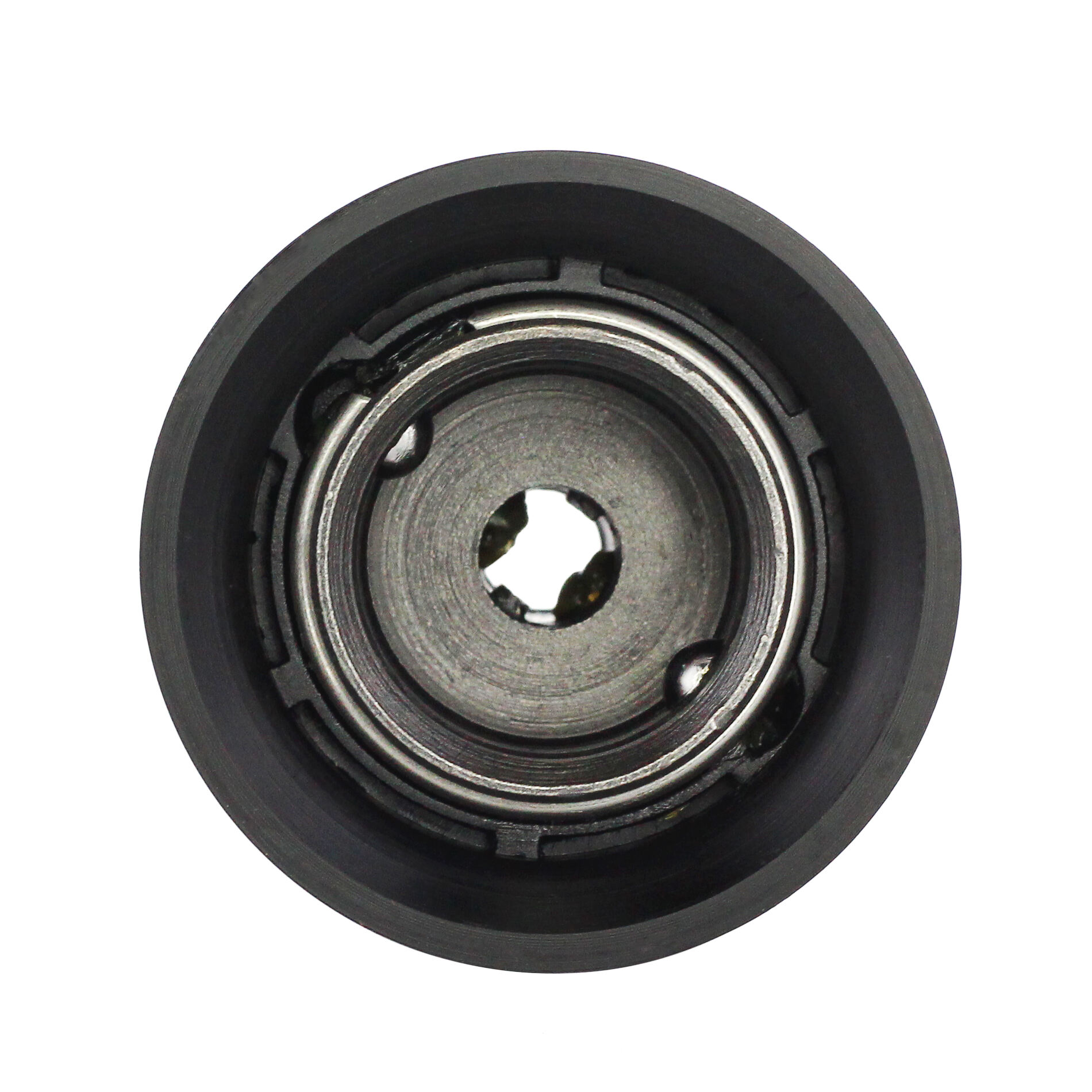
A drill chuck serves as the essential connecting component between your drill and the bit, making it one of the most critical elements in any drilling operation. Whether you're working on precision manufacturing projects or general construction tasks, understanding the different types of drill chucks available can significantly impact your work efficiency and accuracy. From keyless convenience to keyed precision, each drill chuck design offers unique advantages tailored to specific applications and user preferences.
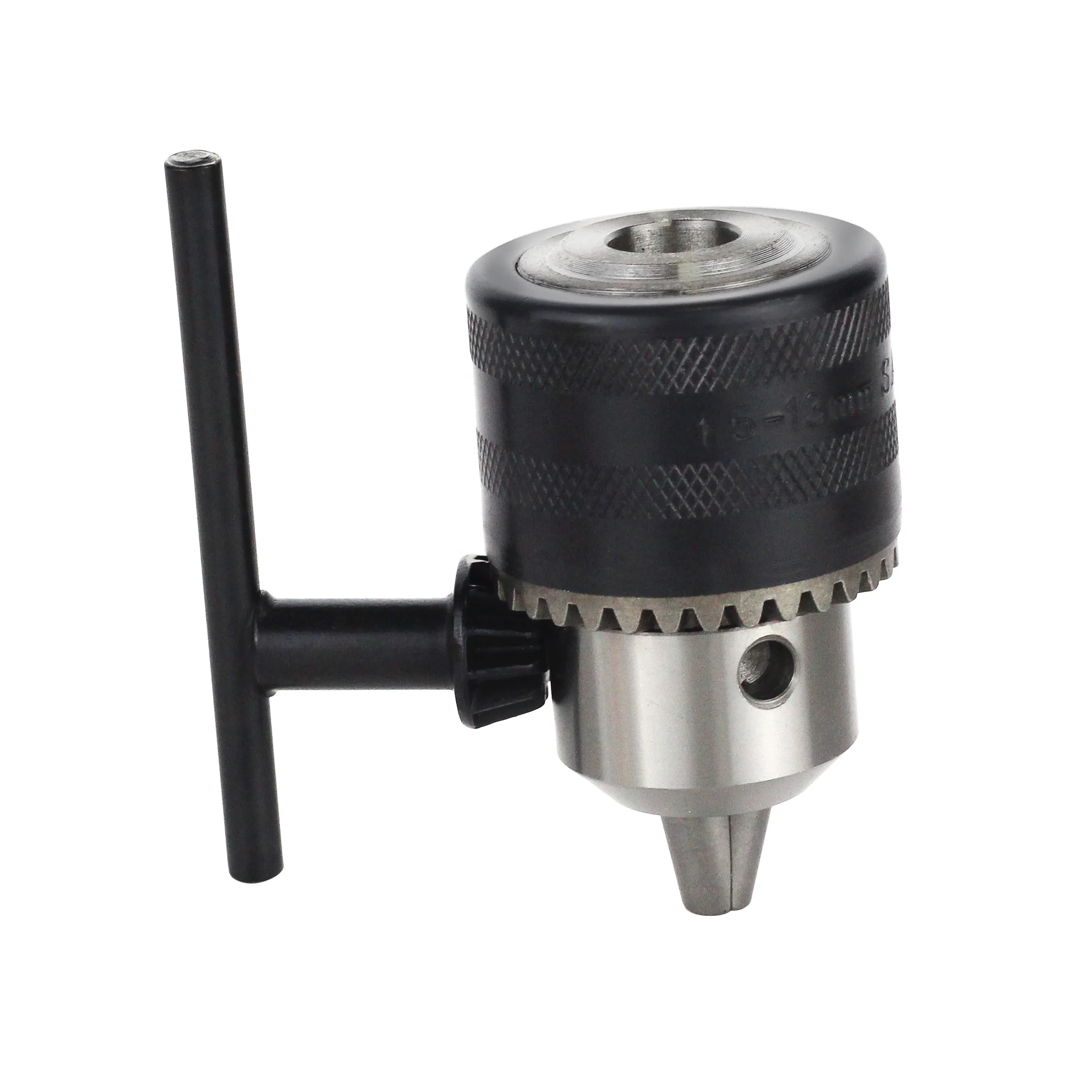
Key-Type Drill Chuck Systems
Traditional Keyed Chuck Design
The traditional keyed chuck represents the most reliable and precise method for securing drill bits in professional applications. This system utilizes a special key tool that engages with gear teeth around the chuck's circumference, allowing users to achieve maximum clamping force through mechanical advantage. The keyed design ensures that drill bits remain securely fastened even under high torque conditions, making it the preferred choice for heavy-duty drilling operations.
Professional machinists and industrial workers often favor keyed chucks because they provide superior grip strength compared to other alternatives. The mechanical advantage created by the key system allows operators to apply significantly more clamping force than would be possible with hand-tightening alone. This enhanced gripping capability proves essential when working with larger drill bits or when drilling through particularly challenging materials that generate substantial resistance.
Advantages of Keyed Chuck Systems
The primary benefit of using a keyed chuck lies in its exceptional holding power and reliability. Unlike keyless alternatives, keyed chucks maintain consistent grip strength regardless of the drilling conditions or the operator's hand strength. This consistency proves particularly valuable in production environments where multiple operators may use the same equipment throughout different shifts.
Additionally, keyed chucks typically demonstrate superior longevity and durability compared to other chuck types. The robust mechanical design can withstand repeated heavy-duty use without experiencing the wear-related grip degradation that sometimes affects keyless systems. This durability factor makes keyed chucks an economical long-term investment for professional workshops and industrial facilities.
Keyless Drill Chuck Innovations
Hand-Tightening Convenience
Keyless chuck technology has revolutionized drilling convenience by eliminating the need for separate key tools while maintaining adequate gripping force for most applications. These systems employ innovative internal mechanisms that allow users to tighten and loosen the chuck through simple hand rotation. The elimination of keys reduces setup time and prevents the frustration associated with misplaced or lost chuck keys.
Modern keyless designs incorporate sophisticated internal gear systems that amplify the user's hand strength, creating sufficient clamping force for standard drilling operations. Many keyless chucks feature ergonomic grip zones with textured surfaces that enhance the user's ability to achieve proper tightening torque. This design consideration proves especially beneficial when working with gloves or in conditions where grip might be compromised.
Quick-Change Capabilities
The rapid bit-changing capability of keyless chucks significantly improves workflow efficiency in applications requiring frequent bit changes. Electricians, carpenters, and general contractors particularly appreciate this feature when working on projects that demand multiple bit sizes or types. The time savings accumulated throughout a workday can substantially impact overall productivity and project completion schedules.
Furthermore, keyless chucks reduce the risk of losing chuck keys in work environments where small tools can easily disappear. This reliability factor proves valuable on construction sites, in cramped working spaces, or during mobile repair operations where misplaced tools can cause significant delays and frustration.
SDS and Specialized Chuck Systems
SDS Chuck Technology
Special Direct System (SDS) chucks represent a specialized category designed specifically for hammer drills and rotary hammers used in masonry and concrete applications. Unlike traditional drill chucks that rely on friction-based gripping, SDS systems utilize a mechanical locking mechanism that engages with specially designed bit shanks. This approach allows the bit to move axially during hammer drilling while maintaining rotational coupling.
The SDS design incorporates slots and grooves in both the chuck and bit shank that create a positive mechanical connection. This arrangement ensures reliable power transmission while accommodating the reciprocating motion required for effective hammer drilling. The system's ability to handle both rotational and axial forces makes it indispensable for concrete drilling, anchor installation, and demolition work.
Quick-Release Mechanisms
SDS chucks feature intuitive quick-release mechanisms that enable rapid bit changes without tools or complex procedures. Users simply pull back a collar or sleeve to disengage the locking mechanism, allowing instant bit removal and replacement. This convenience proves essential in applications where different bit sizes or types are needed frequently throughout the work process.
The robust construction of SDS systems ensures reliable performance even under the extreme conditions typical of heavy construction and demolition work. The mechanical locking approach eliminates concerns about grip strength degradation that might affect other chuck types when subjected to high impact forces and continuous vibration.
Chuck Capacity and Size Considerations
Standard Capacity Ranges
Understanding chuck capacity specifications helps ensure compatibility between your drilling equipment and the intended applications. Most standard drill chucks accommodate bit sizes ranging from approximately 1mm to 13mm, though specialized versions may offer different capacity ranges to suit specific requirements. The drill chuck capacity directly influences the maximum bit diameter that can be securely held during operation.
Professional-grade chucks often provide wider capacity ranges to accommodate diverse bit sizes within a single tool system. This versatility reduces the need for multiple chuck types and streamlines tool inventory management in workshop environments. However, larger capacity chucks may sacrifice some precision when holding very small bits, making it important to match chuck specifications with intended applications.
Mounting Thread Standards
Chuck mounting systems utilize standardized thread patterns that ensure compatibility across different drill manufacturers and models. The most common mounting standards include straight shank designs for direct spindle mounting and threaded systems that screw onto the drill's spindle. Understanding these mounting standards prevents compatibility issues and ensures proper installation.
Some specialized applications require unique mounting approaches, such as Morse taper systems used in larger industrial drilling equipment. These standardized mounting systems ensure reliable power transmission while allowing easy chuck replacement when maintenance or upgrades become necessary. Proper mounting thread engagement is critical for safe operation and optimal drilling performance.
Material Construction and Durability
Steel Construction Benefits
High-quality steel construction provides the foundation for durable and reliable chuck performance across diverse applications. Steel chucks offer excellent resistance to wear, deformation, and impact damage that can occur during heavy-duty drilling operations. The material's inherent strength allows manufacturers to create precise internal mechanisms that maintain accurate bit alignment and secure gripping over extended service periods.
Hardened steel components within the chuck mechanism resist wear from repeated tightening and loosening cycles while maintaining dimensional accuracy. This durability proves essential in professional environments where chuck reliability directly impacts productivity and work quality. Premium steel construction also enables chucks to handle higher torque loads without experiencing mechanical failure or grip degradation.
Precision Manufacturing Standards
Modern chuck manufacturing employs precise machining techniques that ensure accurate internal geometries and smooth operation throughout the chuck's service life. Tight manufacturing tolerances minimize runout and wobble that could negatively impact drilling accuracy and bit life. These precision standards prove particularly important in applications requiring exact hole placement and dimensional accuracy.
Quality control processes during manufacturing verify that each chuck meets stringent performance standards before reaching end users. This attention to detail ensures consistent performance across production batches and reduces the likelihood of premature failure or performance degradation that could disrupt work schedules and compromise project quality.
FAQ
What factors should I consider when choosing between keyed and keyless chuck types
The choice between keyed and keyless chucks depends primarily on your specific applications and personal preferences. Keyed chucks provide superior gripping force and reliability for heavy-duty applications, making them ideal for professional workshops and industrial environments. Keyless chucks offer convenience and speed for general-purpose drilling where frequent bit changes are required. Consider the typical bit sizes you use, the materials you drill, and whether maximum gripping force or convenience takes priority in your work.
How do I properly maintain my drill chuck for optimal performance
Regular maintenance involves cleaning debris from the chuck mechanism and ensuring smooth operation of moving parts. Remove accumulated dust, metal shavings, and other contaminants that can interfere with proper clamping action. Apply light machine oil to threaded components periodically, but avoid over-lubrication that might attract additional debris. For keyed chucks, keep the chuck key clean and properly stored to prevent loss or damage that could affect operation.
Can I upgrade my existing drill with a different chuck type
Chuck replacement is often possible if the mounting thread standards match between your drill and the desired chuck type. However, you must verify compatibility between the drill's spindle thread and the replacement chuck's mounting system. Some drills use proprietary mounting systems that limit upgrade options, while others employ standard threads that accommodate various chuck types. Consult your drill's specifications or a qualified technician to ensure proper compatibility before attempting chuck replacement.
What signs indicate that my drill chuck needs replacement
Several symptoms suggest chuck replacement may be necessary, including difficulty achieving secure bit grip, visible runout or wobble during operation, or mechanical binding when tightening or loosening. Excessive play in the chuck mechanism, stripped threads, or damaged jaw components also indicate replacement needs. If you notice drill bits slipping during use or cannot achieve adequate clamping force despite proper technique, these problems typically require chuck replacement rather than repair.